.jpg)
Fresh off this past Sunday's Golden Globes, awards season is officially underway. Over the next few months, we'll watch the same films and filmmakers get celebrated (or snubbed) again and again – at the Actor Awards (formerly the SAG Awards) and the BAFTAs, the Directors and Writers Guilds’ Awards, culminating in the Oscars.
What struck me while watching this year's Golden Globe winners take the stage is that all of these filmmakers grapple with the same fundamental challenge: How do you tell a story that actually resonates? How do you make something that strikes a chord emotionally, and then sticks with people long after they've exited the theater (or, risen from the couch – this is 2026)?
The answers look different depending on the filmmaker, but the underlying principles are consistent. And if you’re looking for lessons on product storytelling, they translate directly to the work GTM (Go-to-Market) teams are doing every day.
Here's the thing: GTM teams are storytellers, too, whether they think of themselves that way or not. They’re trying to help buyers understand why their products matter, what challenges can be overcome, and why now is the time to act. And this year – with buyers more self-directed, skeptical, and overwhelmed than ever – the stakes for getting that story right have never been higher.
Below, we highlight insights from some of this year’s award-winning filmmakers that GTM teams can learn a thing or two from – lessons that apply whether you're crafting a demo, writing website copy, or simply (well, not-so-simply) figuring out how to make your product story break through the noise.

One Battle After Another Writer and Director Paul Thomas Anderson On Writing What You Know
You can tell when someone's using real knowledge to build a story, versus hacking something together with buzzwords and best practices.
Anderson gets this. Speaking with The New Yorker about writing his first film Boogie Nights, he said:
"I didn't have to make things up. I could do the research…but it was familiar to me. At some point, I probably read that I should 'Write what you know.' That's a good place to start. This work is hard enough. So why am I struggling to try to learn something that's beyond my grasp or that doesn't speak to me?"
What this means for filmmaking
For Anderson, familiarity is rocket fuel. When you're working from genuine understanding, the emotional truth just comes through. You're not wasting energy pretending to understand things, you're channeling what you already know and feel into something others can connect with.
How this translates to GTM
Product storytelling works the same way. You know your product – how it was built, why certain decisions were made, what problems kept coming up in development. You know your customers – the conversations you've had, the frustrations they've voiced, the moment they realized they needed something different. You understand how you fit in the market – what's actually differentiated versus what's table stakes, and where you're genuinely better versus where you're just keeping up with the competition.
Start there. Not with in-depth positioning frameworks or aspirational messaging about what you wish you were. Start with what you genuinely understand, and start building your story from that foundation.
The stories that actually land are built on real customer experience – the actual workflow, the specific pain point, that exact moment when someone realizes they can't keep doing things the old way.
When messaging starts borrowing language from competitors or drifting into vague "solutions" talk, buyers sense the disconnect instantly. It doesn't matter how polished the deck is.
The fastest path to trust? Start from what you genuinely understand.
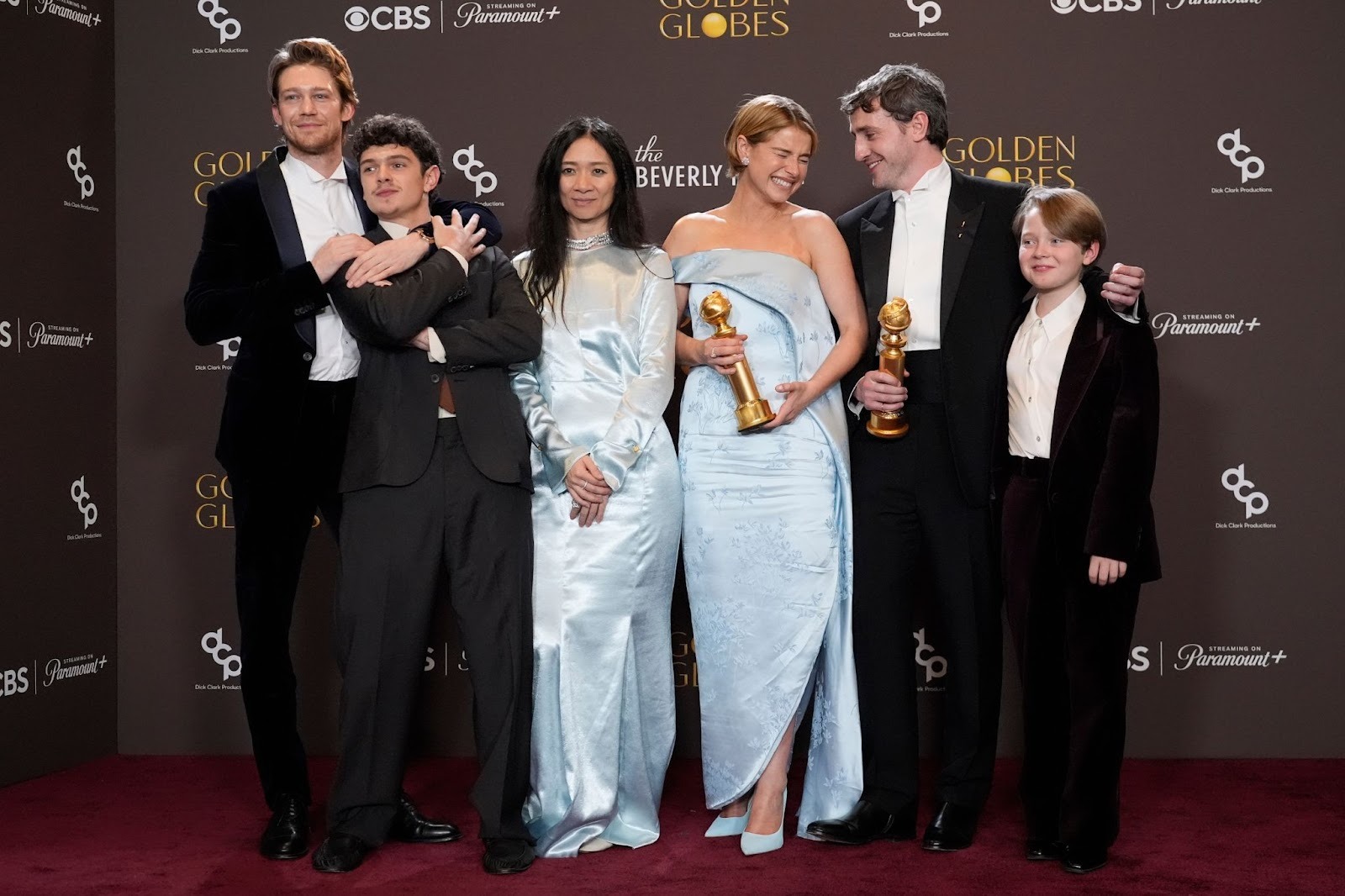
Hamnet Director Chloé Zhao On Understanding Your Medium and Your Audience
A brilliant message delivered the wrong way just... doesn't work. And that's frustrating, because you put in all this effort and the idea itself is solid. But if the format or the framing doesn’t fit what the audience really wants, it won't land.
“Understand the medium, and the audience it serves.”
What this means for filmmaking
For Hamnet, Zhao had to figure out how to take a novel and make it work as a film – not just translating the plot, but thinking about what nuances the movie-going experience asked for. She had to make choices about pacing, what's shown versus told, and how the audience would emotionally experience the story in a theater versus reading it on a page, among many, many, many other seemingly-minor-but-ultimately-crucial details.
How this translates to GTM
Your product story told in a slide deck lands completely differently than the same story in a demo, a two-minute video, or a self-guided tool. Buyers aren't just absorbing information – they're responding to the way you've invited them to engage. You need to meet them where they are with what that particular moment requires.
When the format doesn't match how people want to learn, even strong ideas fall flat. It's like trying to have a deep conversation over text when what you really needed was a phone call.
Resonance comes from respecting how stories are consumed, not just what they say.
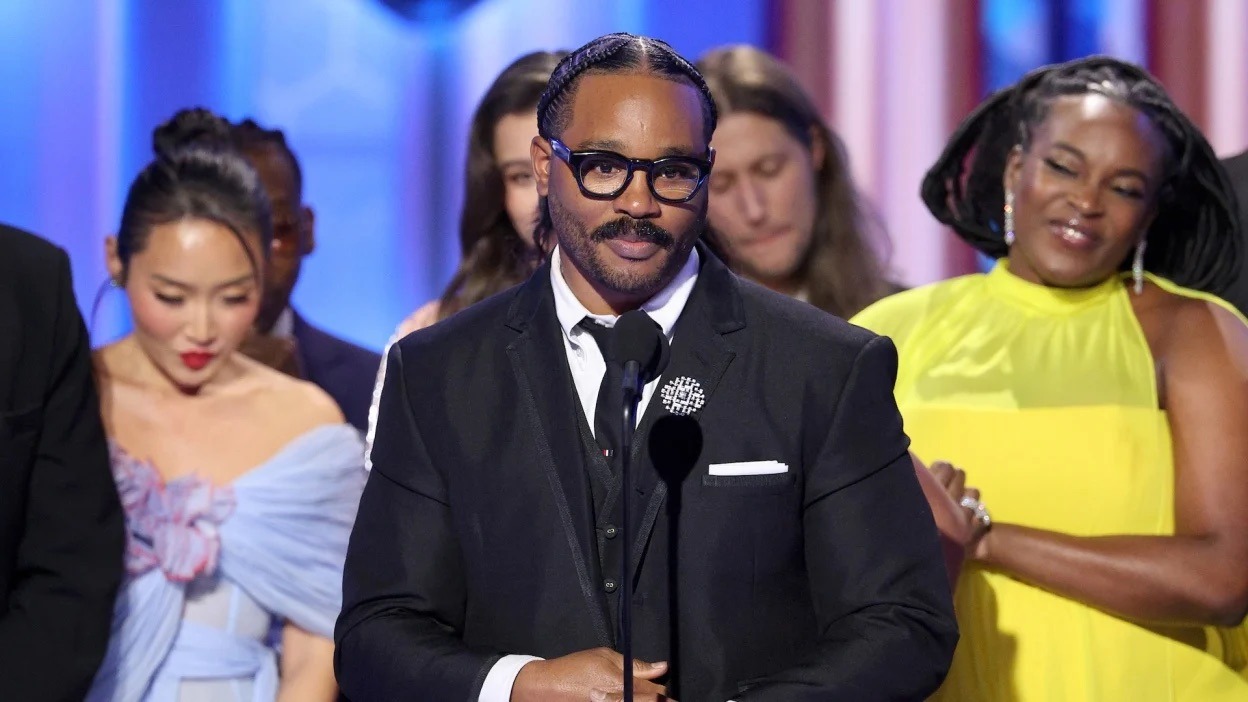
Sinners Director Ryan Coogler On Communicating Feeling
Great stories don't try to explain everything. They focus on making you feel something specific, and then they get out of the way.
Coogler put it perfectly on the 7PM in Brooklyn podcast earlier this year:
"The best thing I could do for the audience is communicate a feeling. The feeling is enough – more than enough."
What this means for filmmaking
For Coogler, emotion isn't a byproduct of good storytelling – it's the North Star every choice points towards. He's not trying to overexplain every theme or make sure you catch every minute detail. He's building toward a specific emotional response. In Sinners, it's tension and dread. In Black Panther, it's pride and loss and the weight of legacy. Once you feel that, you don't need him to spell out what it all means. The feeling does the work. You connect the dots yourself, and because you did that work, it sticks with you.
How this translates to GTM
Buyers don't walk away from demos remembering every feature. They remember how the story made them feel – confident, relieved, capable, like "oh, this could actually work for us."
That emotional clarity is what makes the next step feel obvious instead of like pulling teeth. When teams try to cram every detail into every moment, they wash out the exact thing that drives people to act.
When the right feeling lands, understanding – and action – follow naturally.

Kpop Demon Hunters Creator Maggie Kang On Layering Stories to Create Engagement
Animation is a craft of composition. The story lives in how all the elements – visuals, sound, movement, and timing, for instance – build on each other to create something that really grips your attention.
In an interview with Time, Kang described it as deliberate composition:
"As people who work in animation and storytelling, we're trained to layer things on and create something as entertaining as possible."
What this means for filmmaking
In Kpop Demon Hunters, you've got character animation, visual effects, music, voice acting, background art – each element adds something to the experience. None of them work alone. But when they're layered thoughtfully, they create something that's more engaging than any single piece could be on its own. The craft is knowing what to add, when, and how much.
How this translates to GTM
Product stories work the same way. You're not just delivering information – you're composing an experience from multiple elements. Maybe it's a demo that pans and zooms to guide attention to what matters most. Or annotations and highlights that emphasize key features without stopping the flow. Or background music and transitions that create emotional pacing, moving from problem to solution with intention instead of just clicking through screens.
When these elements are layered thoughtfully – when visuals, motion, sound, and narrative work together instead of competing for attention – the story becomes more compelling than any single technique could create on its own.
Engagement increases when you layer strategically, not when you pile on more.
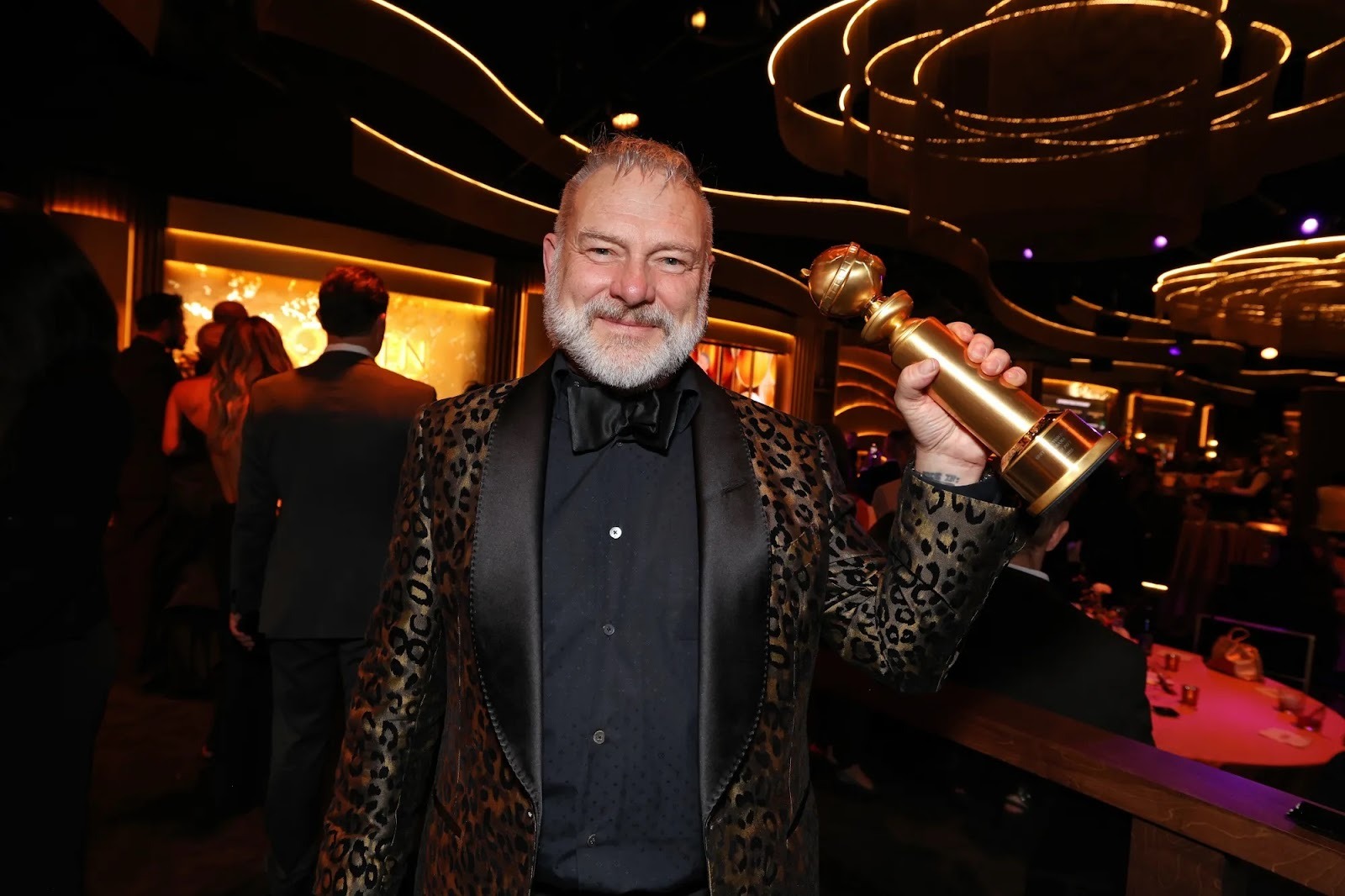
The Pitt Creator R. Scott Gemmill On Building Trust Through Authentic Detail
You can't just claim your story is realistic. You have to show it in ways that make people go "oh, they actually get it."
Talking with Warner Brothers TV about filming The Pitt, Gemmill said:
"Every day we have a medical ER physician on set as a technical consultant. And then a lot of our background nurses are real nurses – you can actually end up in the ER in Los Angeles and get one of our nurses."
What this means for filmmaking
The credibility of The Pitt doesn't come from having a bigger production budget or more elaborate set design than other medical dramas. It comes from the details that signal "we actually know what we're talking about." Real nurses in the background who know how to move in an ER. Medical consultants catching the small things that would make an actual doctor roll their eyes. The way equipment is used, the rhythm of how a trauma bay operates, the terminology that gets thrown around without explanation because that's how it actually sounds.
The audience might not consciously register all of these details, but they pick up on them. And that accumulation of small, authentic choices is what makes you trust the bigger story being told.
How this translates to GTM
Buyers respond to specificity in the same way. Not generic "streamline workflows" language, but the actual scenario: "You know how you have to export data from Salesforce, clean it up in Excel, then manually upload it to your reporting tool? And half the time the fields don't map correctly so you're fixing it by hand?" That level of detail signals you've been in the room when this problem happens.
Real customer examples matter. Concrete scenarios matter. Showing how work actually gets done – including the frustrating, unglamorous parts that people deal with every day – matters more than making everything look seamless and perfect.
Polish without realism doesn't build trust, it creates distance. Buyers start thinking, "Okay, this looks nice, but do they actually understand what I'm dealing with? Or are they just showing me the highlight reel?"
Authenticity is what makes people lean in instead of tune out.

The Secret Agent Director Kleber Mendonça Filho On Embracing Multiple Ways Into a Story
Not everyone connects with a story through the same doorway.
Some filmmakers start with plot, building everything around what happens next. Others start with a specific location that demands a story be told there, or a character they can't stop thinking about. Some start with a mood they want to capture, and figure the rest out from there.
The same goes for how audiences engage. Some people need to understand the stakes before they care about anything else. Others fall in love with the atmosphere first and trust the story will come. None of these entry points are wrong – they're just different ways people find their way into meaning.
Filho gets it. In an interview with Chicagofilm, he recounted:
"As I was writing it, I kept thinking of so many films that made me want to make films. And I really believe that you can tell a story in many different ways. You can tell a 'story' which would be the plot, but you can also show where it takes place."
What this means for filmmaking
For Filho, meaning doesn't only live in what happens next – in the sequence of events, the twists, or the resolution. It emerges through context, through the way a place shapes the people in it. Through atmosphere and mood. Through perspective and whose eyes you're seeing the world through.
A story about political tension can be told through plot points, sure, but it can also be told through the architecture of a city, the way neighborhoods are divided, the spaces where people gather or avoid. There are multiple doorways into the same story, and they're all valid ways to create understanding and emotional connection.
How this translates to GTM
Just like filmmakers start from different creative entry points, GTM teams often build stories from different starting places. Sometimes you start with the problem you're solving, or a specific customer success story that demands to be told. Sometimes you start with a product capability that's genuinely differentiated, or a market shift that makes this the exact right moment.
Buyers are arriving from completely different places, too – urgency, curiosity, a colleague's recommendation, frustration with their current solution. Some need to see the technical architecture first before anything else matters, while others need the business case and ROI before they'll even look at features. This team wants to better understand what logos make up your customer base, and then there’s that one guy who wants to see the product in action immediately.
Effective storytelling doesn't force one linear path through all of this. It creates coherence while leaving room for both the creator to start where they're strongest and the audience to find their own way in.
There's no single right way into a story – only a responsibility to make it resonate once someone's there.
What GTM Teams Can Learn From This Year’s Award Season Contenders
This year's Golden Globe winners may not share a style, but they do share something even better: a commitment to resonance over formula, and to stories that feel true to the creator and the audience at the same time.
For GTM teams, that's the real lesson. Differentiation doesn't come from saying more or having fancier slides. It comes from telling stories buyers understand emotionally, remember after the call ends, and feel confident acting on.
As awards season continues and we watch these filmmakers get celebrated again and again, the throughline will stay the same: the stories that win are the ones that resonate. In crowded markets where everyone's saying roughly the same thing, that's exactly what helps a product story break through.
Share on