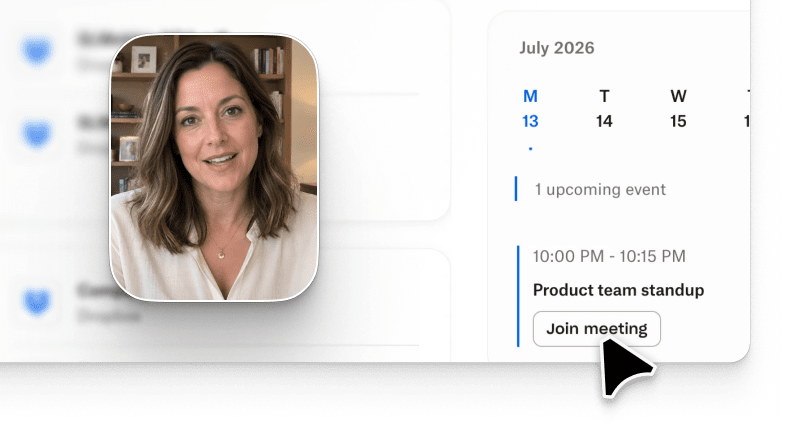
Whether you should use live or recorded (interactive or video) demos depends on what the context is, your objectives, and resources to do so.
In this guide, we cover each, help you pick the best format for your demos
| Feature | Interactive Demo 🕹️ | Recorded Demo 🎥 | Live Demo 🎤 |
|---|---|---|---|
| Format | Clickable, self-guided experience | Pre-recorded video | Real-time walkthrough |
| User Interaction | Medium (users click & explore) | None | High (live Q&A) |
| Personalization | Moderate (if segmented) | None | High |
| Scalability | Medium | High (one-to-many) | Low (one-to-one or few) |
| Best for | Lead generation, self-serve discovery | Awareness, onboarding | High-value sales |
A live demo is a real-time product or service demonstration done by someone with a live audience, either in person or virtually.
In the SaaS context, live demos are usually done through:
Here’s a webinar example of a SaaS company hosting (Webflow) a webinar where they show how to use their software. 👇
And here’s a live sales call example of a salesperson (AE at Gong) doing a live walkthrough of a product on a Zoom call for a prospect. 👇
💡 Note: this is not a one-to-one sales call example with a prospect, as these recordings aren’t usually shared publicly.
✔️ Live demos are more engaging for the audience: Viewers can ask questions and get responses immediately.
✔️ Live demos allow for “detours”: Presenters can adjust the content of the demonstration based on how viewers are engaging.
✔️ Live demos can go in-depth: In live calls, presenters (i.e., account executives) can spend more time on a feature and show an entire workflow rather than breeze through it (common in pre-recorded demos).
✔️ Live demos can build trust: It’s hard to “fake it” in live calls. Showing live features helps prospects grow confidence in your solution’s ability to deliver real value.
❎ Live demos can backfire: Live demos are risky. If bugs happen during the demo, the viewer’s confidence in your product can crash.
❎ Live demos aren’t scalable: You can pre-record and share a demo asynchronically with thousands of people. Live demos must be re-done every time, which is time-consuming for both the presenter and the audience.
❎ Live demos can cause administrative headaches: Every salesperson has been there, rescheduling a prospect call 12 times before having it canceled. Live demos involve scheduling back-and-forth and cancelations.
It’s best to run a live demo when ⤵️
→ The capabilities you want to showcase need real-time explanations.
→ You want to answer questions on the spot.
→ You need to gather feedback from viewers (harder to do with recorded demos).
→ The deal size is large, and one-to-one personalization, or relationship-building, matters.
Short answer: Yes.
Nuanced answer: it depends on ⤵️
If any of these aren’t aligned, you can end up with this 👇

And live demo fails happen to even the best of us. Ask Google!
A recorded demo is a pre-recorded video or walkthrough of a product or software, designed to showcase its features and functionality.
There are two types of recorded demos:
📹 Pre-recorded videos
🕹️ Interactive demos
Here’s a pre-recorded video example ⤵️
Here’s an interactive demo example ⤵️
✔️ Recorded demos are polished: Recorded demos have been edited and flow nicely without bugs or unexpected issues.
✔️ Recorded demos have a “wow factor”: Since most recorded demos include animations and shiny effects, they can drive excitement from viewers, whereas a live demo might be considered “boring”.
✔️ Recorded demos are scalable: Record once, share a million times! Recorded demos can help reach the masses.
✔️ Recorded demos offer an “on-demand” experience: Viewers can watch anytime, without scheduling.
❎ No real-time interactions: Recorded demos don’t allow for live Q&A, feedback, or special requests from viewers.
❎ Recorded demos aren’t as flexible as live ones: Pre-recordings can’t adapt dynamically like a live demo. However, including chapters and branches in your interactive demos can fix this 👇
It’s best to leverage recorded demos when ⤵️
🎯 Your product is easy to comprehend.
🎯 You want to generate more leads from your demos.
🎯 (Interactive) Viewers prefer experiencing your solution first-hand.
🎯 You want to help new customers with guided walkthroughs.
🎯 Many people are interested in the same things (features, use cases, etc.).
🎯 You want prospects to be able to watch your demo anytime and share it with others.
And many more… (there are more use cases for recorded demos than live ones).
Many companies use both—an interactive demo for lead generation, followed by a live demo for serious prospects.

As an interactive demo platform (that’s us 👋), we believe that the best interactive product demos bring the best of live and recorded demos together: the engaging and hyper-personalized aspects of a live demo, combined with the high-converting, asynchronous scalability of recorded demos.
Here are a few Arcade features you can leverage to build stunning, personalized interactive demos that prospects will prefer over traditional live demos ⤵️
Tip #1: Use HTML capture to quickly mimic your “actual” product experience👇
Tip #2: Leverage video splitting to turn videos into interactive demos👇
Tip #3: Build Collections to allow prospects to revisit demos personalized and tailored to them👇
Read more: How interactive demos can transform your sales process.
🕹️ Read: Top sales demo software for SaaS in 2025.
Arcade is an interactive demo platform that lets you easily create captivating product tours and interactive demos across devices.
Polished, on-brand experiences
Unlike live demos that can be unpredictable, Arcade ensures every demo is visually stunning and on-brand. With advanced customization options, you can craft a seamless experience that always reflects your company’s identity—without worrying about technical glitches or awkward transitions.
Personalized without manual Effort
Live demos require presenters to tailor their walkthroughs in real time. Arcade’s interactive demos offer built-in personalization through branching paths and custom variables, allowing prospects to navigate the product in a way that’s most relevant to them—without a salesperson guiding every step.
No need for re-recording
Live demos require preparation, and if product updates roll out, your sales team has to adjust every time. With Arcade’s HTML capture feature, you can update demo elements instantly without re-recording—ensuring prospects always see the latest version of your product.
Capture Leads as They Engage
Unlike live demos, where lead capture is passive, Arcade’s interactive demos actively reveal and capture leads while users explore. This makes it easy to qualify prospects early—before investing time in a live sales call.
Scalable Distribution
Instead of scheduling one-on-one calls, Arcade lets you embed, link, or download demos in various formats for use across emails, landing pages, and marketing campaigns.

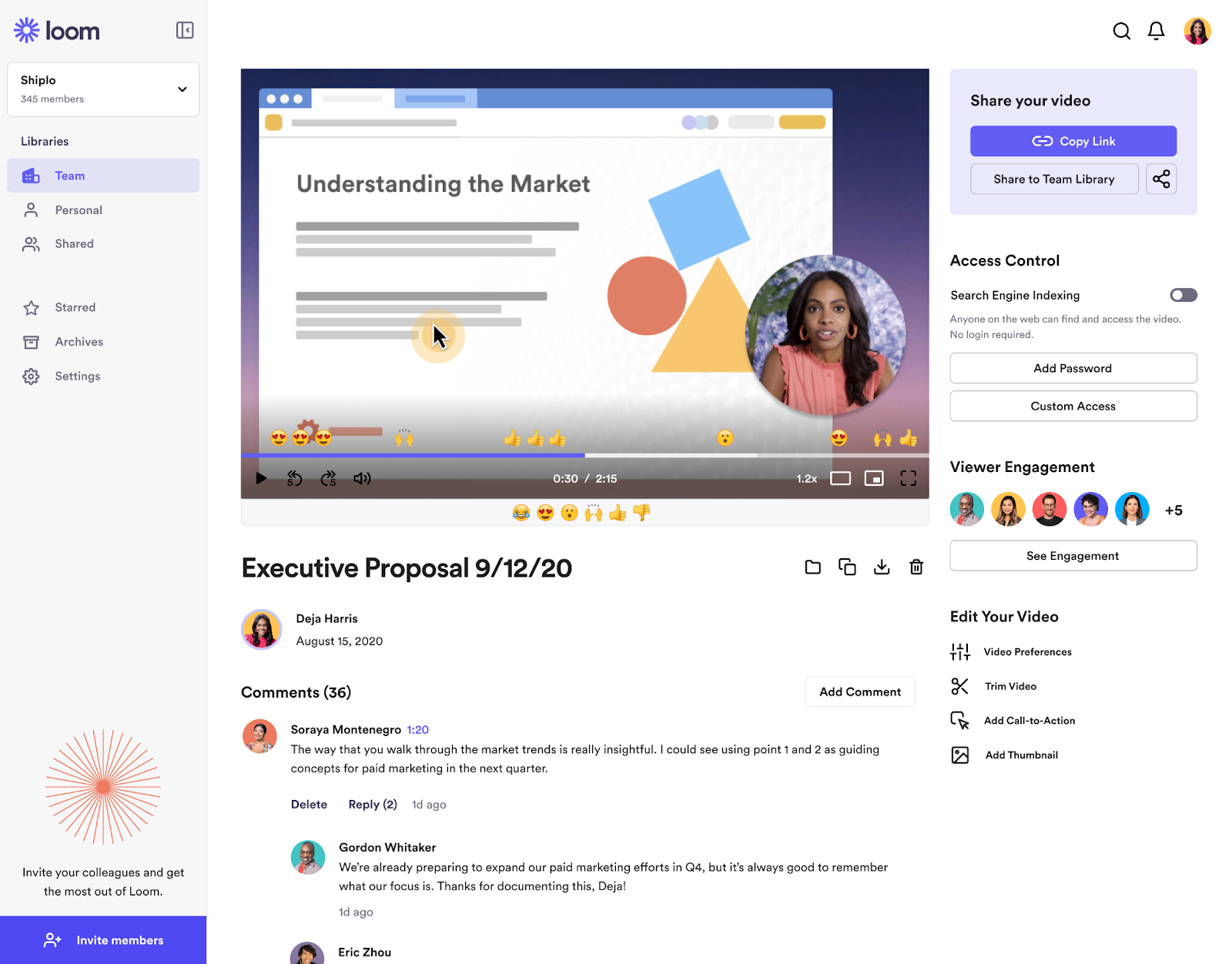
Loom is an async video communication platform that lets people record themselves, their screen, or both through a Chrome extension and desktop app. It’s mainly used to share information internally but can also be handy when sharing product walkthroughs.
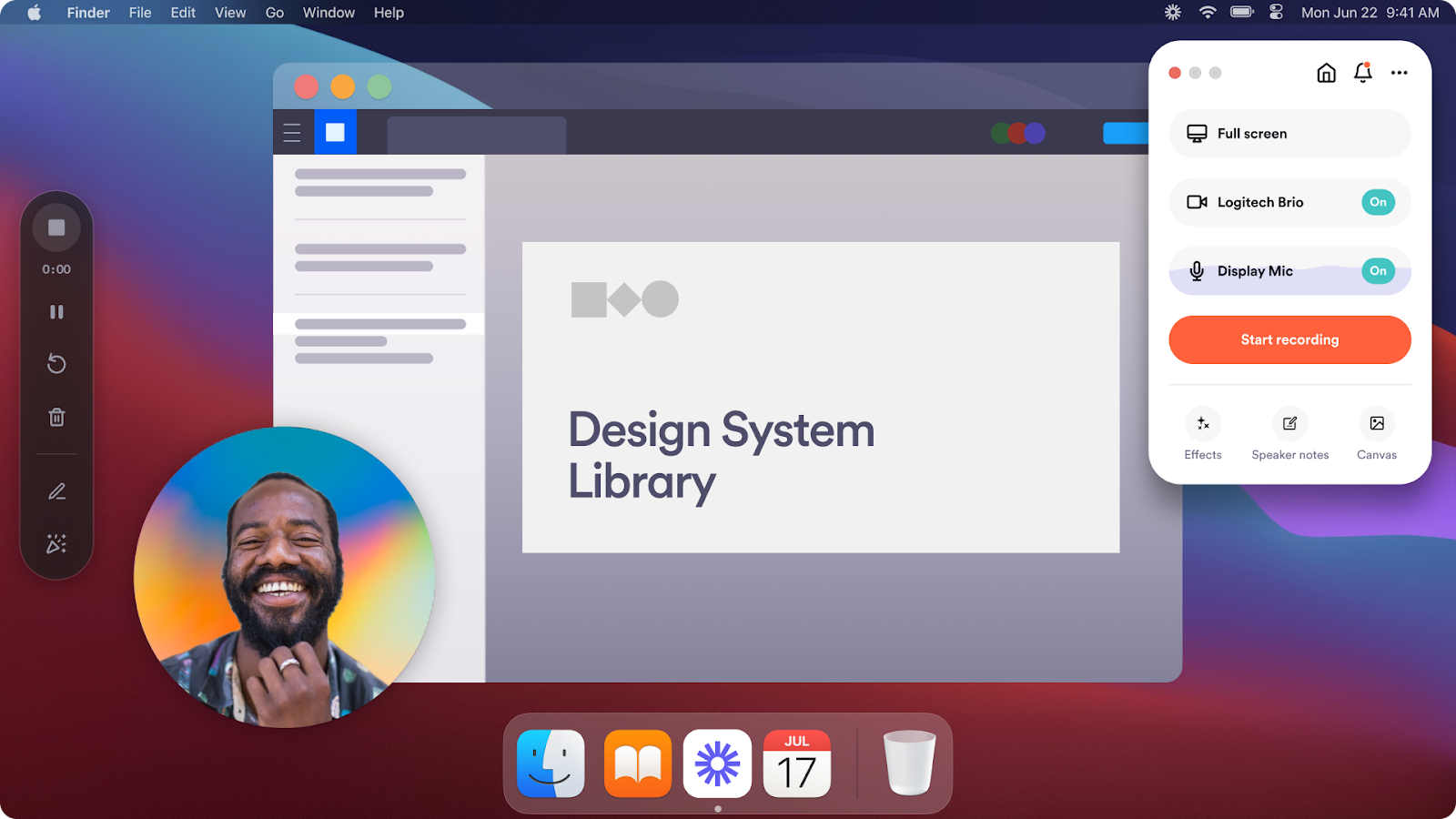
According to public reviews, people choose Loom because of:

Saleo is a live demo platform that helps sales teams create sandbox environments with real data to use in sales demonstrations or create product tours that convert prospects.


Fathom is an AI recorder that sits in meetings and helps you summarize calls, pin highlights, automatically se taction items, and easily share recordings with others. It’s a top choice for customer-facing individuals running live demos.
Fathom has thousands of 5-star reviews all across the internet. It’s a truly popular tool that does it’s job, and delivers AI-enabled capabilities that are actually helpful.


The choice between live demos, recorded video demos, and interactive demos depends on your goals, audience, and resources.
Here’s the jist of it ⤵️
All of these have their place in a company’s sales and marketing strategy. Live demos shine when human interaction and real-time adaptability are key, while recorded demos offer convenience and scalability. Interactive demos bridge the gap, providing an engaging, self-paced experience that combines the best aspects of both formats.
For maximum impact → adopt a hybrid approach—using interactive or recorded demos to generate leads and live demos to close high-value deals.